
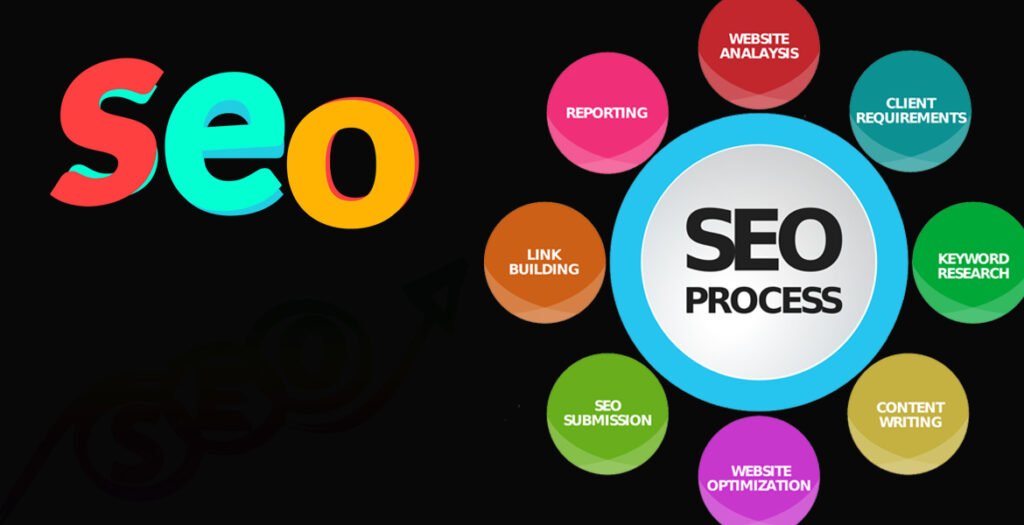
The terms CEO SEO can be confusing because CEO and SEO are two very different business concepts. CEO stands for Chief Executive Officer, while SEO stands for Search Engine Optimization. One refers to a senior leadership position, and the other refers to a digital marketing discipline focused on improving a website’s visibility in search engines.
As businesses become increasingly dependent on digital channels, CEOs are becoming more involved in SEO strategy. A CEO does not necessarily need to become an SEO specialist, but understanding how search visibility contributes to business growth can help leaders make better decisions about marketing budgets, content, technology, and long-term customer acquisition.
The phrase CEO SEO can therefore be understood in several ways. It may refer to SEO from a CEO’s perspective, the CEO of an SEO agency, or strategies designed to improve a CEO’s personal search visibility and online reputation.
Contents Overview
- What Does CEO Mean?
- What Does SEO Mean?
- CEO vs SEO
- What Is CEO SEO?
- Why CEOs Should Understand SEO
- The Role of SEO in Business Growth
- CEO SEO Strategy
- SEO for a CEO’s Personal Brand
- CEO and Corporate Website SEO
- How CEOs Can Measure SEO
- Common SEO Mistakes CEOs Should Avoid
- CEO SEO and AI
- How to Build a CEO SEO Strategy
- Frequently Asked Questions
- Conclusion
What Does CEO Mean?
CEO stands for Chief Executive Officer. The CEO is generally the senior executive responsible for an organization’s overall direction, strategy, and performance.
Depending on the company’s structure, a CEO may be responsible for:
- Setting business strategy
- Establishing company objectives
- Managing senior leadership
- Allocating resources
- Making major business decisions
- Communicating with investors and stakeholders
- Building the company’s long-term vision
- Representing the organization publicly
A CEO therefore operates at the organizational level rather than focusing on one specific marketing channel.
What Does SEO Mean?
SEO stands for Search Engine Optimization. It is the practice of improving websites and digital content so that search engines can better discover, understand, and present them for relevant searches.
SEO commonly includes:
- Keyword research
- Technical SEO
- Content optimization
- Internal linking
- Website architecture
- Search-intent analysis
- Digital PR
- Link acquisition
- Mobile optimization
- Conversion optimization
The objective is to increase relevant organic search visibility and attract people who may be interested in a company’s products, services, or information.
SEO is a marketing discipline rather than a corporate job title. This is why SEO and CEO should not be viewed as two levels of the same organizational hierarchy.
CEO vs SEO
The easiest way to understand CEO SEO is to compare the two terms directly.
| Category | CEO | SEO |
|---|---|---|
| Full form | Chief Executive Officer | Search Engine Optimization |
| Type | Job position | Marketing discipline |
| Primary focus | Business leadership | Search visibility |
| Main responsibility | Overall company direction | Organic search performance |
| Main metrics | Revenue, growth, profitability, business performance | Rankings, clicks, organic traffic, conversions |
| Works with | Executive team and stakeholders | Marketing, content, development and analytics teams |
| Scope | Organization-wide | Primarily digital/search marketing |
| Goal | Business growth and leadership | Relevant organic visibility and traffic |
The two are different, but they can work closely together.
A CEO may determine whether SEO receives enough resources, while an SEO team develops and executes the search strategy.
What Is CEO SEO?
CEO SEO is not a universally standardized job title or formal SEO discipline. The phrase can describe several different concepts.
The first is SEO from a CEO perspective. In this case, the CEO wants to understand how organic search contributes to business growth.
The second is the CEO of an SEO company. This is simply the executive who leads an SEO agency or search marketing business.
The third is SEO for a CEO’s personal brand. This involves improving the online presence of an executive so that accurate and useful information appears when customers, investors, partners, journalists, or other stakeholders search for the person’s name.
These interpretations are distinct, so the intended meaning of CEO SEO depends on context.
Why CEOs Should Understand SEO
A CEO does not need to know every technical SEO detail, but understanding the strategic value of search can be extremely useful.
Organic search can influence how customers discover a business.
For example, a potential customer might search for:
- Best accounting software
- Cloud security services
- Digital marketing agency
- Manufacturing software
- Business consulting services
- Online project management tools
If a company has strong organic visibility for relevant searches, it has an opportunity to reach potential customers without relying exclusively on paid advertising.
A CEO who understands this relationship can ask better questions about SEO investments and business performance.
The Role of SEO in Business Growth
SEO can contribute to several business objectives.
| Business Objective | SEO Contribution |
|---|---|
| Brand awareness | Increases visibility in search results |
| Lead generation | Attracts users searching for relevant solutions |
| Ecommerce sales | Helps product and category pages reach buyers |
| Customer education | Provides useful informational content |
| Market expansion | Targets new topics and geographic markets |
| Brand authority | Builds visibility around expertise |
| Customer acquisition | Creates opportunities for organic discovery |
However, SEO should not be viewed simply as a traffic-generation activity.
A CEO should ultimately want to know whether organic search is producing qualified customers and contributing to business goals.
CEO SEO Strategy
A CEO-level SEO strategy should focus on business priorities rather than individual keyword rankings.
The first step is to identify the company’s most important commercial goals.
For example:
Business goal → Target audience → Search demand → Content → Conversion → Revenue
A software company may want more product demos. An ecommerce business may want more product sales. A consulting company may want more qualified leads.
The SEO strategy should be designed around these outcomes.
Important areas include:
- Business objectives
- Customer personas
- Keyword opportunities
- Competitor analysis
- Technical website health
- Content strategy
- Conversion optimization
- Authority building
- Measurement
This approach allows SEO to become part of the broader business strategy rather than an isolated marketing activity.
SEO for a CEO’s Personal Brand
Another important interpretation of CEO SEO involves optimizing the CEO’s personal online presence.
People often search for company leaders before doing business with an organization. A strong personal brand can therefore support trust and credibility.
CEO personal-brand SEO can include:
- A professional biography
- An optimized LinkedIn profile
- Author pages
- Interviews
- Industry articles
- Conference appearances
- Podcasts
- Company leadership pages
- Press coverage
- Thought leadership content
For example, a technology CEO could publish articles discussing artificial intelligence, cybersecurity, software development, or industry trends.
This creates useful content associated with the executive’s name and expertise.
CEO and Corporate Website SEO
A CEO can also influence SEO through decisions about the company’s website.
Leadership teams may need to approve investments in:
- Website redesigns
- Content production
- Technical infrastructure
- SEO tools
- Marketing employees
- Agencies
- Digital PR
- Analytics
- Website security
- International expansion
Poor strategic decisions can create SEO problems.
For example, a website redesign that removes valuable pages without appropriate redirects could cause organic traffic losses.
Similarly, changing a domain, URL structure, or website platform without considering SEO can create unnecessary risks.
How CEOs Can Measure SEO
CEOs should avoid focusing exclusively on rankings.
A better executive-level SEO dashboard connects search activity to business results.
| KPI | CEO-Level Question |
|---|---|
| Organic traffic | Are more potential customers discovering us? |
| Organic leads | Is search producing qualified opportunities? |
| Conversion rate | Are visitors taking valuable actions? |
| Revenue | Is organic search contributing financially? |
| Customer acquisition cost | Is SEO improving acquisition efficiency? |
| Branded searches | Is brand awareness growing? |
| Non-branded visibility | Are new customers discovering us? |
| Content performance | Which topics create business value? |
SEO reporting should therefore connect marketing metrics with commercial outcomes.
An increase in traffic is useful, but an increase in qualified leads or revenue is usually more meaningful to senior leadership.
Common SEO Mistakes CEOs Should Avoid
Treating SEO as a One-Time Project
SEO is not normally something a company completes once and then ignores.
Search behavior, competitors, websites, products, and content all change over time.
Focusing Only on Rankings
A ranking without business value does not necessarily contribute to growth.
CEOs should ask whether ranking improvements are generating qualified traffic and conversions.
Publishing Large Amounts of Low-Quality Content
More content does not automatically produce better SEO.
Search engines increasingly emphasize useful, reliable, people-first content.
Ignoring Technical SEO
Website architecture, crawling, indexing, performance, and mobile usability can affect the ability of search engines and users to access important content.
Expecting Immediate Results
SEO usually requires consistent work over time. Competition, website authority, technical conditions, content quality, and search demand can all affect results.
Using SEO Only for Marketing
SEO can provide insights beyond marketing.
Search data can reveal what customers want, what problems they experience, what products they compare, and what questions they ask.
These insights can influence product development and business strategy.
CEO SEO and AI
Artificial intelligence is changing the way businesses approach search, content, research, and digital marketing.
CEOs should understand that AI can support SEO workflows but does not remove the need for strategy, expertise, accuracy, and quality control.
AI can help teams with:
- Keyword research
- Content briefs
- Data analysis
- Competitor research
- Content organization
- Technical analysis
- Reporting
- Customer-question analysis
At the same time, businesses need human oversight to ensure that content reflects genuine expertise and provides useful information.
The CEO’s role is therefore not to manage individual AI prompts but to establish clear objectives, resources, quality standards, and accountability.
How to Build a CEO SEO Strategy
A practical CEO SEO strategy can be organized into several steps.
Define Business Objectives
Start by determining what the company actually wants SEO to accomplish.
Possible objectives include:
- More qualified leads
- More ecommerce revenue
- Increased brand awareness
- Lower customer acquisition costs
- Expansion into new markets
- Increased product visibility
Identify the Target Audience
Understand who the company wants to reach.
Consider:
- Customer problems
- Search behavior
- Purchase intent
- Industry
- Location
- Product needs
- Buying stage
Analyze Search Opportunities
Research keywords and topics that align with customer demand.
Separate informational searches from commercial and transactional opportunities.
Improve the Website
Address important technical issues and optimize key commercial pages.
Build Useful Content
Create content that genuinely answers customer questions and demonstrates expertise.
Strengthen the CEO’s Personal Brand
Where appropriate, create high-quality thought leadership content and maintain accurate executive profiles.
Measure Business Results
Review organic traffic, qualified leads, conversions, revenue, and other meaningful KPIs.
Continue Improving
SEO should be reviewed regularly rather than treated as a fixed campaign.
Frequently Asked Questions
What does CEO SEO mean?
CEO SEO can refer to SEO from a Chief Executive Officer’s perspective, SEO strategies for a CEO’s personal brand, or the CEO of an SEO company. The phrase does not have one universally standardized meaning.
Is SEO higher than CEO?
No. SEO and CEO are not levels in the same hierarchy. SEO is a search marketing discipline, while CEO is a senior executive position.
Should a CEO learn SEO?
A CEO does not need to become an SEO specialist, but understanding the fundamentals can help with marketing investment, website decisions, customer acquisition, and strategic planning.
How can SEO help a CEO’s personal brand?
Personal-brand SEO can help ensure that useful and accurate information about an executive appears prominently when people search for their name. This can include professional profiles, thought leadership, interviews, company pages, and other credible content.
What SEO metrics should a CEO track?
CEOs should focus on metrics connected to business outcomes, including qualified organic traffic, leads, conversions, revenue, acquisition efficiency, branded search visibility, and content performance.
Conclusion
CEO SEO combines two concepts that are often confused but increasingly connected in modern business.
CEO means Chief Executive Officer, while SEO means Search Engine Optimization. The CEO leads the organization and makes strategic decisions, while SEO focuses on improving organic search visibility.
The connection becomes important when executives recognize that search can influence brand discovery, customer acquisition, content strategy, reputation, and long-term digital growth.
A CEO does not need to manage keywords or technical SEO tasks personally. Instead, the executive should understand the strategic role of SEO, establish appropriate goals, provide resources, evaluate meaningful KPIs, and ensure that SEO supports the company’s broader business objectives.
For executives who also want to strengthen their personal brands, CEO SEO can extend beyond the corporate website to thought leadership, professional profiles, media coverage, and other credible online resources.
Ultimately, the strongest approach is to treat SEO as a long-term business asset rather than simply a collection of ranking tactics. When leadership and SEO teams work toward the same measurable goals, organic search can become an important part of sustainable business growth.