
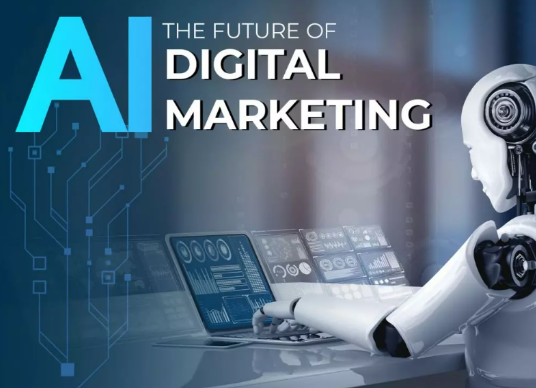
What is actually? In simple words, a marketing agency takes AI tools that someone else has built, puts its own branding over them, then sells this service to clients as if it was made in-house only. No need exists for a huge tech budget or a big team of developers sitting there on payroll. Just a partnership is enough, and that alone lets a smaller agency perform much beyond what its actual size would suggest. Instead of spending years and lots of money to build AI systems starting from zero, agencies can connect into tools already functioning well, and results start showing almost right away.
Why Agencies Are Turning to AI-Powered Outsourcing
Clients, honestly, have very little patience nowadays. Fast delivery is what they want, proof that money is doing something is what they want, campaigns that feel personal instead of generic and copy-paste, this too they want. Managing all this manually with a small five-person team, that will burn people out very quickly. This is really the reason so many agencies begin looking outside for support. They connect with AI systems already built for ad optimization, audience segmentation, content writing, whatever the client happens to need at that moment, then they present the output as if it was their own work. Costs come down a lot because of this. It also means a small agency of even ten people becomes able to compete directly with firms having full tech departments standing behind them.
How This Model Actually Works
Usually it begins the moment an agency notices something missing. Maybe clients keep asking again and again for AI-based campaigns, but the agency simply does not have the tools to provide such things. So a partner gets searched for, one who already has this figured out. That partner takes care of the technical part, the data work, the platform management, while the agency keeps talking with the client and keeping its own brand in front of them. From the client side, only their agency producing strong results is what gets seen. They do not know another operation is quietly working behind everything. In a way, everyone comes out benefiting. The agency expands what it is able to offer, the partner receives consistent work, and the client gets good results without any need to know how it was really done.
Core Services Typically Included
Content creation tools sit usually at the heart of such partnerships, producing blog posts, social captions, and ad copy much faster than any human writer typing at a keyboard ever could manage. Then predictive analytics comes in, going through customer behavior to find patterns and figure out the right moment for launching a campaign. Chatbots form another major piece of this. Companies get customer support available all day and all night, without even one extra staff member getting hired. SEO tools handle keyword research and technical fixes in a fraction of the time a manual audit would otherwise need. And programmatic ad platforms keep adjusting bids and targeting on their own, pulling better value out of ad spend without anyone watching the dashboard the whole day long.
The Growing Demand Behind This Trend
Small businesses want marketing at a big-league level, but without paying the big-league price for it, it is really that simple a matter. And agencies keep getting pushed from every side to show fast results, something old, manual methods can no longer keep pace with anymore. AI helps in closing that gap. It goes through amounts of data no person would have time reviewing by hand, notices patterns a human might miss after hours spent looking at spreadsheets, and takes care of repetitive tasks by itself. Businesses adopting AI-driven marketing usually experience better efficiency and stronger campaign performance, this compared to those still depending on older methods. And that difference just keeps growing bigger, which explains why more agencies keep choosing to get involved in this.
Challenges Worth Understanding
Still, not everything about it is easy. Once work starts happening outside your own agency, controlling quality becomes a harder thing. You depend on someone else’s process being right. Miscommunication between the agency and its tech partner can throw deadlines off or create confusion about what was actually agreed upon in the first place. Data security also remains a serious concern here, since client information passes through third-party systems, so agencies need checking carefully who they work with and how seriously that partner treats privacy matters. Setting clear expectations early on, along with regular quality checks, helps prevent many problems later down the road.
Where This Industry Is Headed
AI keeps improving, almost month by month, honestly speaking. Language models now write content genuinely difficult to separate from something a real person has typed. Prediction tools are becoming remarkably accurate in guessing what customers will do next. Keeping all this in mind, it seems unlikely white label AI marketing will slow down anytime soon, especially with smaller agencies continuing to search for ways of remaining competitive against bigger companies holding far deeper pockets. Agencies managing to combine real human strategy together with AI-based execution early, these are probably the ones who will still be standing strong once things eventually settle.
Pingback: Programmatic Ad Agency: Services, Benefits, and How to Choose One -