Introduction
Future marketing is shaping the way businesses engage with audiences in an increasingly digital and connected world. It goes beyond traditional campaigns, focusing on predictive insights, personalization, immersive experiences, and data-driven strategies to create meaningful connections. By embracing future marketing strategies, brands can anticipate customer needs, build trust, and stay ahead in competitive markets.
Understanding Future Marketing
Future marketing is a forward-looking approach that integrates emerging technologies, analytics, and innovative tactics to influence consumer behavior. It encompasses predictive analytics, AI-driven personalization, immersive digital experiences, and sustainability-focused campaigns. The goal is not just to reach customers, but to engage them in ways that are relevant, interactive, and impactful, ensuring long-term loyalty and growth.
Predictive Analytics for Customer Insights
A key component of future marketing is predictive analytics. By analyzing historical data and behavior patterns, brands can anticipate customer needs, preferences, and purchase decisions. Predictive models allow marketers to create targeted campaigns, optimize content, and improve timing for promotions. This proactive approach enhances engagement, improves conversion rates, and builds stronger relationships with customers.
Personalization at Scale
Personalization is central to future marketing strategies. Leveraging AI and machine learning, brands can deliver tailored experiences to individual users across multiple touchpoints. Personalized recommendations, targeted emails, dynamic content, and adaptive advertising ensure that each interaction feels relevant and meaningful. Personalization enhances customer satisfaction and increases the likelihood of repeat business.
Immersive Experiences and Technology
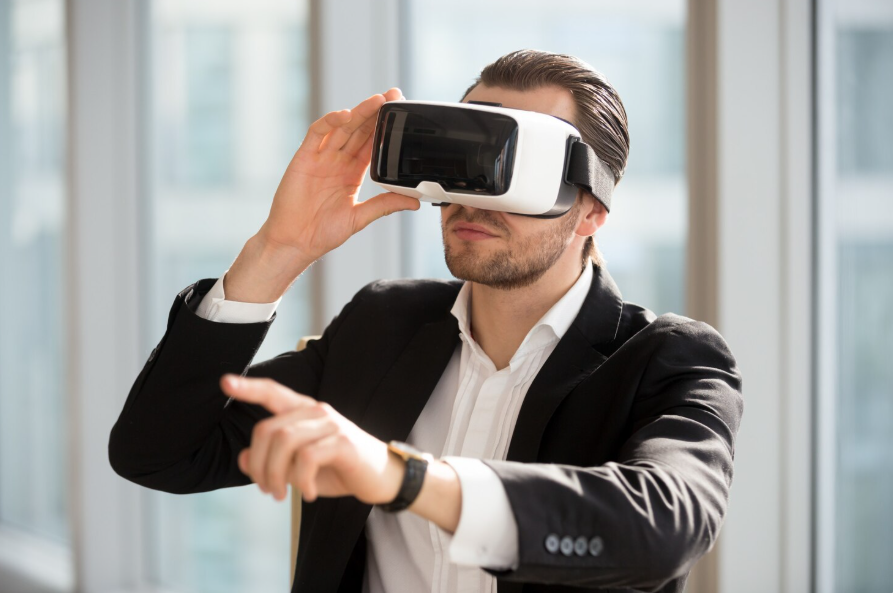
Future marketing increasingly relies on immersive experiences powered by augmented reality (AR), virtual reality (VR), and interactive media. These technologies allow brands to create engaging, memorable experiences that go beyond traditional advertising. Virtual product demonstrations, interactive apps, and gamified campaigns enable consumers to connect with brands in innovative ways, enhancing brand perception and loyalty.
Sustainability and Ethical Marketing
Modern consumers value brands that demonstrate social responsibility and sustainability. Future marketing emphasizes transparent practices, ethical campaigns, and eco-friendly initiatives. Communicating sustainability efforts authentically not only strengthens brand reputation but also resonates with socially conscious audiences, fostering long-term loyalty and advocacy.
AI-Driven Campaign Optimization
AI is transforming future marketing by enabling smarter campaign optimization. Machine learning algorithms analyze vast amounts of data to identify trends, segment audiences, and recommend strategies. AI tools can optimize ad placement, personalize content, predict customer behavior, and automate repetitive tasks. This leads to higher efficiency, better targeting, and improved ROI for marketing campaigns.
Omnichannel Integration
Future marketing requires seamless integration across multiple channels. Customers interact with brands via websites, social media, mobile apps, email, and physical stores. An effective omnichannel strategy ensures consistent messaging, cohesive branding, and a unified experience across all touchpoints. This integration improves engagement, strengthens relationships, and drives conversions.
Influencer and Community Engagement
Influencer collaborations and community-driven marketing are increasingly important in future marketing strategies. Partnering with relevant influencers amplifies reach and credibility, while engaging online communities fosters loyalty and trust. Brands that leverage authentic voices and encourage participation create a sense of belonging, enhancing their influence and long-term impact.
Data-Driven Decision Making
Data is at the core of future marketing. Continuous monitoring, analytics, and performance tracking allow brands to refine strategies in real-time. Insights derived from data help identify high-performing tactics, eliminate ineffective approaches, and optimize resource allocation. Data-driven decision-making ensures that marketing efforts are efficient, measurable, and aligned with business objectives.
Conclusion
Future marketing is about moving from insight to influence. By leveraging predictive analytics, personalization, immersive technologies, sustainability initiatives, AI optimization, omnichannel strategies, and influencer engagement, brands can anticipate needs, connect authentically, and drive measurable results. Advanced future marketing strategies empower modern brands to stay ahead of the competition, foster loyalty, and create lasting impact in an ever-evolving digital landscape.